


Home+ Store Info+ Contact+ EDU+ Library+ My Account+ Order History+ Customer Login
Save During the OPT Winter Sale, November 9th - 22nd!

Products     Information   Search   Featured Products


10mm Plossl Reticle Eyepiece Celestron
10mm Plossl Reticle Eyepiece
Price $58.00
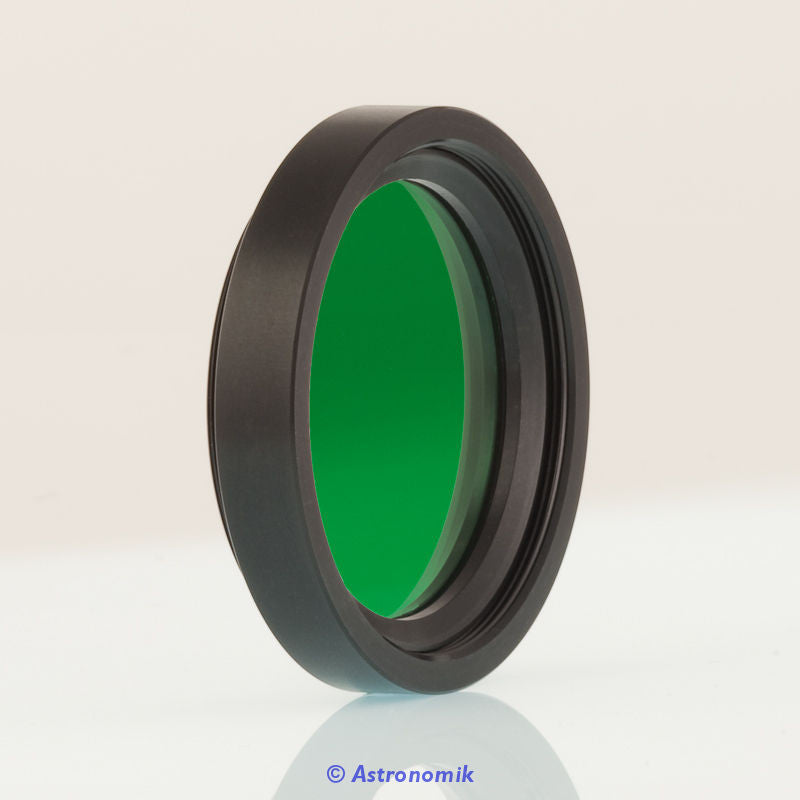
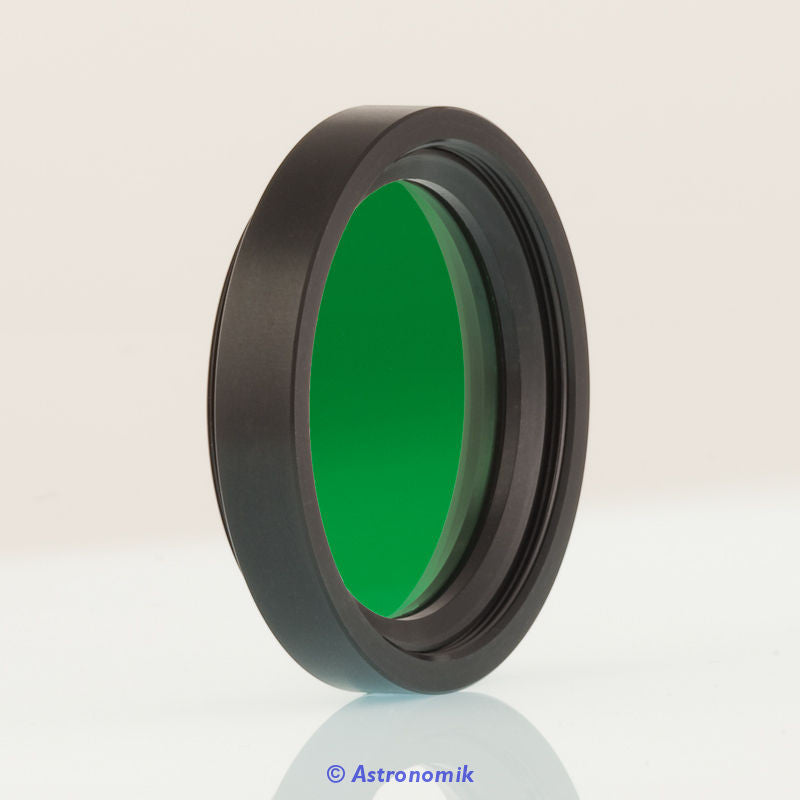
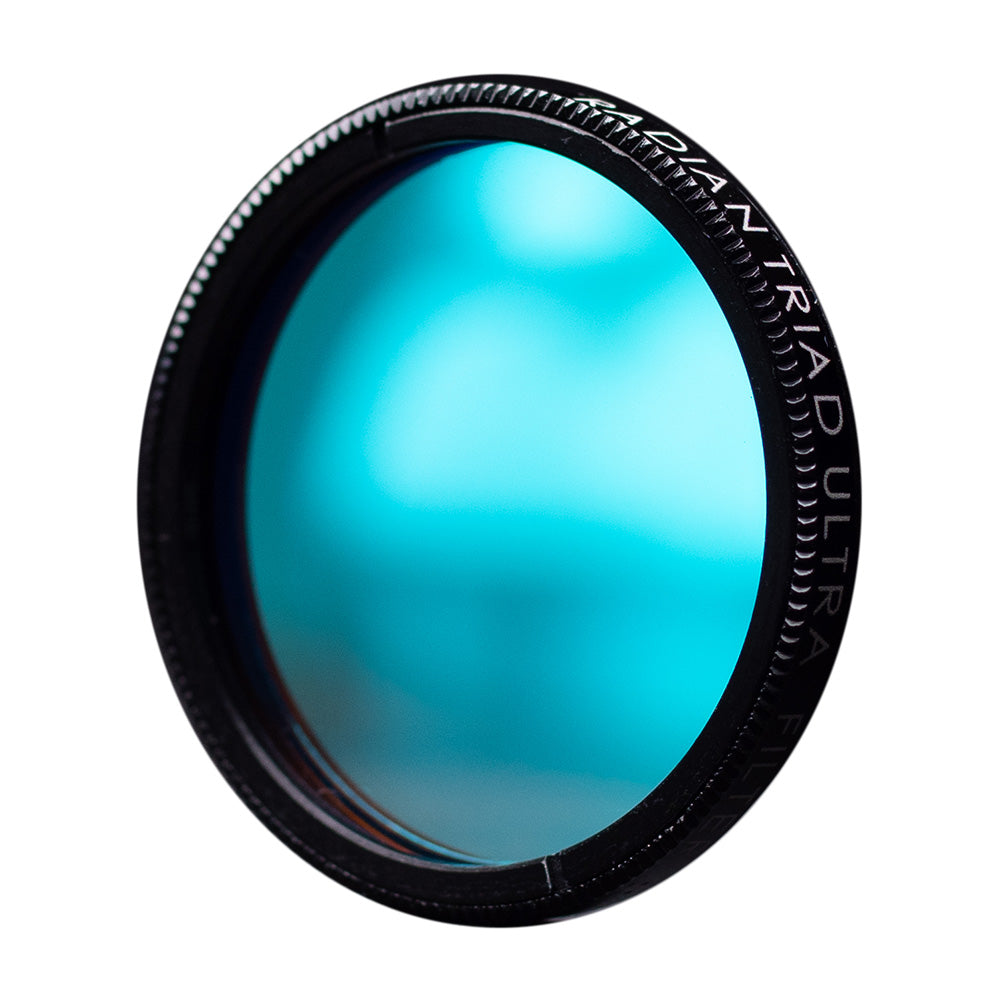
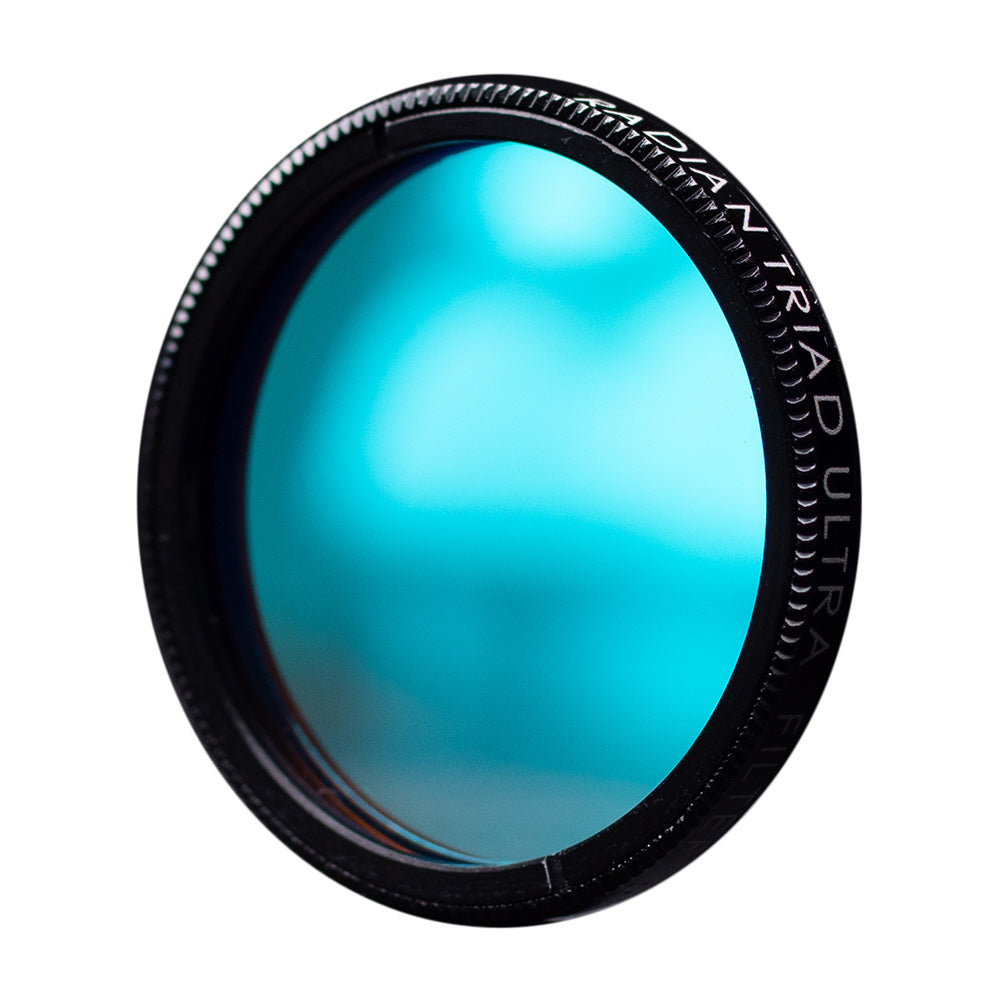
UHC/LPR Filter - 2 Celestron
UHC/LPR Filter - 2"
Price $84.95
 

SBIG ST-10XME Class 2 CCD Camera
Average User Rating

SBIG ST-10XME CCD Camera Information

First, here's info about the camera itself...more about the SBIG ST10XME new additions and choices between detectors later.

The SBIG ST-10XME is the latest large array, high resolution CCD camera from SBIG. The body is identical to the ST-7, ST-8 and ST-9 models with some slight modifications to accommodate the larger detector.

The SBIG ST-10XME ccd camera contains an enhanced KAF-3200ME imaging detector from Kodak. This 3.2 megapixel CCD has a Full Frame Resolution of 2184 x 1472 pixels at 6.8 microns making it the ultimate camera for wide field apochromatic refractors. The active imaging area of the SBIG ST10XME is 17% greater than the ST-8E and the array contains approximately twice as many pixels. The imaging camera includes an electro-mechanical shutter, 16 bit analog to digital (A/D) converter, regulated temperature control with all of the electronics integrated into the CCD head. Communication to the PC is through the parallel port.

The KODAK DIGITAL SCIENCE TM KAF-3200E Image Sensor is a high density, 3.2 million pixel, full-frame Blue Plus image sensor. It joins the family of Kodak Blue Plus sensors with improved quantum efficiency across the visible spectrum. Ultra-low dark current of less than 1e-/pixel/second at 0o C (typical) allows moderate cooling for applications involving extended exposures. With two stage cooling, the ST-10XME will reach approximately 40o C below ambient temperature for best performance even in hot climates.

Athough the SBIG ST-10XME camera is a perfect match to high quality refractors in high resolution mode, with 3.2 million pixels the SBIG ST10XME is easily adapted to a variety of focal lengths. The various binning modes of 6.8, 13.6 and 20.4 micron pixels allow you to match the focal length of a wide range of telescopes and lenses to this imaging camera. There are also half-frame and quarter-frame modes available for each resolution setting. Moreover, even when binned 2x2 or 3x3 the number of pixels is still comparable to the ST-7, ST-8 and ST-9. For example, in addition to 2184 x 1472 at 6.8 microns, the user can elect to image at 1092 x 736 with 6.8 micron pixels or 1092 x 736 with 13.6 micron pixels. In "low" resolution, full frame mode, the SBIG ST10XME still operates much like a ST-9E with 36% more pixels and 43% larger field of view! The various combinations of useable frame and and pixel sizes makes this an extremely versatile camera.

The file size of high resolution images can be reduced by about half by saving the images in SBIG compressed file format. The benefit of this format is that the compression is lossless, unlike JPEG and other compression techniques. The original file size and amount of compression varies somewhat depending on the content of the image and the resolution mode selected.

The ST line of cameras was originally developed using detectors having fewer pixels so the full frame, high resolution download time for this detector is rather long - about 118 seconds. However, at the end of a long exposure this download time is not so onerous. For finding and centering objects and for focusing, various binning or partial frame modes may be selected to significantly shorten the download time. For instance, in focus mode with a 20 x 20 pixel box the download time is less than 3 seconds, and in medium resolution mode of 1092 x 736 at 13.6 microns, the download time is 38 seconds, about 10 seconds faster than an ST-8 (**BEFORE the addition of USB). CCDOPS software has an Auto Resolution feature that makes using this type of large array easier. For instance, when focusing using Auto Resolution in conjunction with Planet Mode, the camera is automatically binned 3x3 for the first full frame download. This shortens the first full frame download time to about 20 seconds. The user selects a small box size around the star to be used for focusing and thereafter the area inside the focus box is automatically downloaded in high resolution mode. But since only the area inside the focus box is downloaded, the update rate (for a 20 x 20 box) is less than 3 seconds per frame. This gives the best resolution and the shortest download times for focusing.

The Model ST-10XME camera maintains similar performance, low noise and high QE like the ST-8E camera. In fact, the SBIG ST-10XME camera has slightly less dark current and lower read noise than the ST-8E. The dual CCD structure also allows the full range of existing accessories to work with the ST-10XME: The AO-8 Adaptive Optics System, CFW9 color filter wheel, camera lens adapters, etc., are all the same for the ST-10E as the ST-8E.

Here's some info from SBIG about the ME design:

Kodak has significantly increased the quantum efficiency of the KAF-3200E detector in its new KAF-3200ME version. The peak quantum efficiency for the KAF-3200ME has been increased to over 85%. Previously, this level of QE was achievable only through the expensive process of thinning the wafer and illuminating the image sensor from the backside (e.g., SITe and Marconi arrays). The QE for the blue wavelength of 400nm is nearly double that of the 3200E and there is a 30% increase in QE over the 3200E (from 65% to 85%) at the important deep red H-alpha emission line. Except for the increased QE, the CCD specifications remain the same as the 3200E: 2184 x 1472 pixels at 6.8 microns with the same low read noise and low dark current as the KAF-3200E CCD. The cosmetic grades also remain the same: a Class 2 CCD is free of column defects.

Finally, here's the latest info on the new High-Speed USB additions:

The New ST-XE and XM Line of Self-Guiding CCD Cameras from SBIG: Complete Systems with Faster Downloads, Better Cooling, Better Autoguiding, Greater Expansion Capability and a New Entry.

FASTER DOWNLOADS: New high speed electronics and high speed USB interface are now standard with data transfer rates up to 421,000 pixels per second!

High Speed USB Download Rates for the ST-10XE is 8.7 seconds (full frame), and ~ 0.5 seconds in Focus Mode.

Please note that USB download times are processor dependent and will vary from computer to computer. These download times were measured on a 933 MHz Pentium III. Focus Mode rates were the fastest achieved using a 20 x 20 pixel subframe in Focus/Planet mode.

BETTER COOLING: The standard single stage cooling design has been improved to provide cooling performance previously available only with an optional second stage cooling booster. Preliminary specifications are as follows:

  • Typical Cooling Performance (delta from ambient) with standard single stage with water assist is -45 degrees C (minimum temperature achieved was -40 degrees C).

  • Typical Cooling Performance (delta from ambient) using standard single stage without water is -35 degrees C (minimum temperature achieved was -30 degrees).

  • The standard cooling configuration is a single stage cooler with a newly designed heat exchanger that includes an inlet and outlet for water circulation should the user desire to maximize the cooling performance for hot climates. The new design does not require an additional power supply and may be operated with our without water supplied by the user. A circulating water pump and tubing are available as optional accessories. In our experience, further cooling of Kodak CCDs beyond the performance above is unnecessary.

BETTER AUTOGUIDING: The TC-211 tracking CCD has been replaced with a larger TC-237 in the ST-8/9/10XE models. The TC-237 autoguiding CCD is the same CCD used in SBIG's $1300 ST-237A imaging camera and $2300 STV autoguider. The TC-237 (657 X 495 pixels) is 2.7X larger than the TC-211 CCD (192 X 164) which means there is a more than double the chance you will find suitable guide stars anywhere you happen to be looking without having to hunt.

In the tracking configuration, the TC-237 CCD will normally be binned 2x2 for increased sensitivity. When binned 2x2 the field of view remains 2.7X that of the TC-211, however, as the pixel size is increased to14.8 microns. The user may also image with the TC-237 CCD in high resolution (unbinned) mode if desired.

Previously, the camera had to be oriented so that the X and Y dimensions of the tracking CCD were aligned with the RA and DEC of the telescope, limiting the possible rotation of the camera to four possible positions around a target at 90 degree steps. With CCDSoftV5 (included with cameras at no extra charge) the autoguiding capability of the TC-237 is improved so that the camera may be placed in any orientation relative to the telescope's RA and DEC, allowing a full 360 degrees of rotation around a target for easier guide star acquisition.

Of course, guiding with the TC237 tracking CCD means that the imaging CCD spends100% of its time and quantum efficiency gathering the image. You are not required to compromise for half the quantum efficiency or twice exposure time as you might with other self-guiding designs.

GREATER EXPANSION CAPABILITY: All new production USB cameras (and upgrades, see below) will include a bi-directional I2C accessory port and a Remote Guide Head port. The new I2C accessory port adds bi-directional communication capability for the development of a new family of "smart" accessories, and the Remote Guide Head port means this camera is ready to accept the same Remote Guide Head as the STL-series of cameras. The standard accessory port is also provided in order to maintain backwards compatibility with our existing accessories (CFW8, AO-7, Relay Adapter Box) and customer's existing telescope interface cables.


Please Note: SBIG drivers are compatible with 32 bit Vista, but they are not compatible with 64 bit Vista.

Save $400 on the CFW9 with Baader LRGB Filters when you buy a qualifying SBIG ST-series camera at the same time! See more info and instructions in the Sales tab to your left.